Eyes play a vital role in our performance, productivity, mobility, and even physical and emotional health. Clear vision does not equate to healthy eyes. For optimal eye health, consider scheduling a comprehensive eye test today.
BOOK AN APPOINTMENT

The ability to focus clearly on a near object and its stamina.
The ability to appreciate colour & discrimate depth.
The ability of both eyes to work in unison, to maintain 1 single image from both eyes.
The ability to perceive objects in our surrounding environment.
The ability to distinguish an object from its background.
These elements are crucial for daily activities and overall quality of life.


Regular comprehensive eye exams catch silent vision changes early — improving treatment outcomes and preserving visual performance at work, school and play.
Key points
Age, genes, medical conditions (eg. diabetes, hypertension) and lifestyle (smoking, UV exposure, long screen time) raise your risk of eye disease — regular comprehensive eye exams catch problems early and protect vision.
Main risk factors: Ageing, family history of eye disease, diabetes, high blood pressure, smoking, prolonged screen use, and unprotected UV exposure.
Silent progression: Many eye diseases (eg. glaucoma, diabetic retinopathy) show few or no early symptoms — damage can occur before you notice.
Who needs exams: Everyone — especially adults with medical risks or family history, and older adults.
How often: Annual checks are recommended for people with risk factors; otherwise have regular comprehensive exams as advised by your optometrist.
Takeaway: Don’t wait for symptoms — proactive, routine comprehensive exams are the best way to prevent or slow vision loss.
BOOK An Appointment
This test evaluates your depth perception, an essential aspect of vision that allows you to perceive the world in three dimensions. It involves determining how well your eyes coordinate together to understand depth and distance, which is crucial for everyday tasks like driving, sports, and even simple activities like walking downstairs.
Elevated intra-ocular pressure can be a risk factor for glaucoma, a condition that may lead to vision loss. This test measures the pressure inside your eyes using non-invasive techniques. Early detection of high eye pressure also enables timely intervention to prevent or slow down the progression of glaucoma.
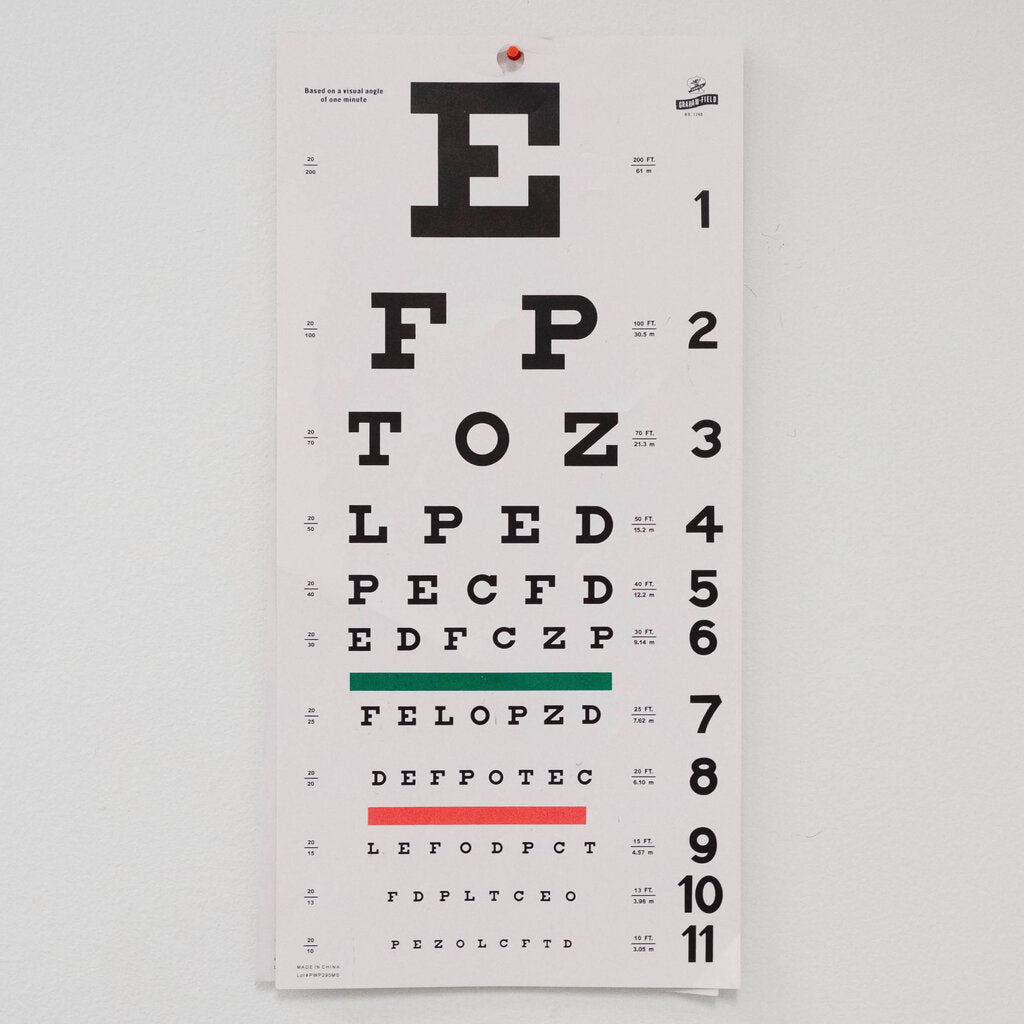
This eye test determines the most suitable prescription for your glasses or contact lenses. It is not just about achieving clear vision; it is also about ensuring that your eyes are not overstrained and that you are comfortable with your vision in different settings, whether you are reading a book, using a computer, or driving. This eye test may take about 25 minutes.

This imaging technique offers a detailed view of the cornea, the eye's front surface. It is vital for diagnosing and monitoring conditions like dry eye, corneal dystrophies, and keratoconus. This imaging may help in planning the suitable course of action for your eye health, especially if you are a contact lens wearer or considering refractive surgery.
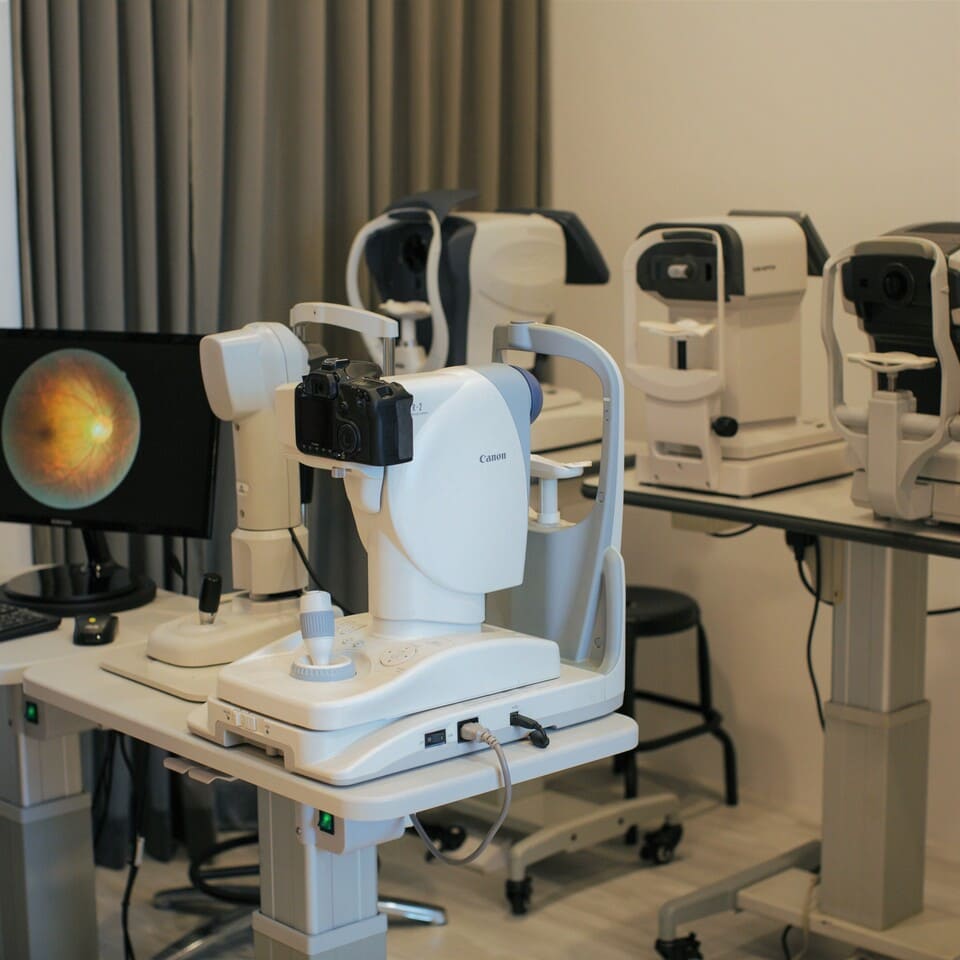
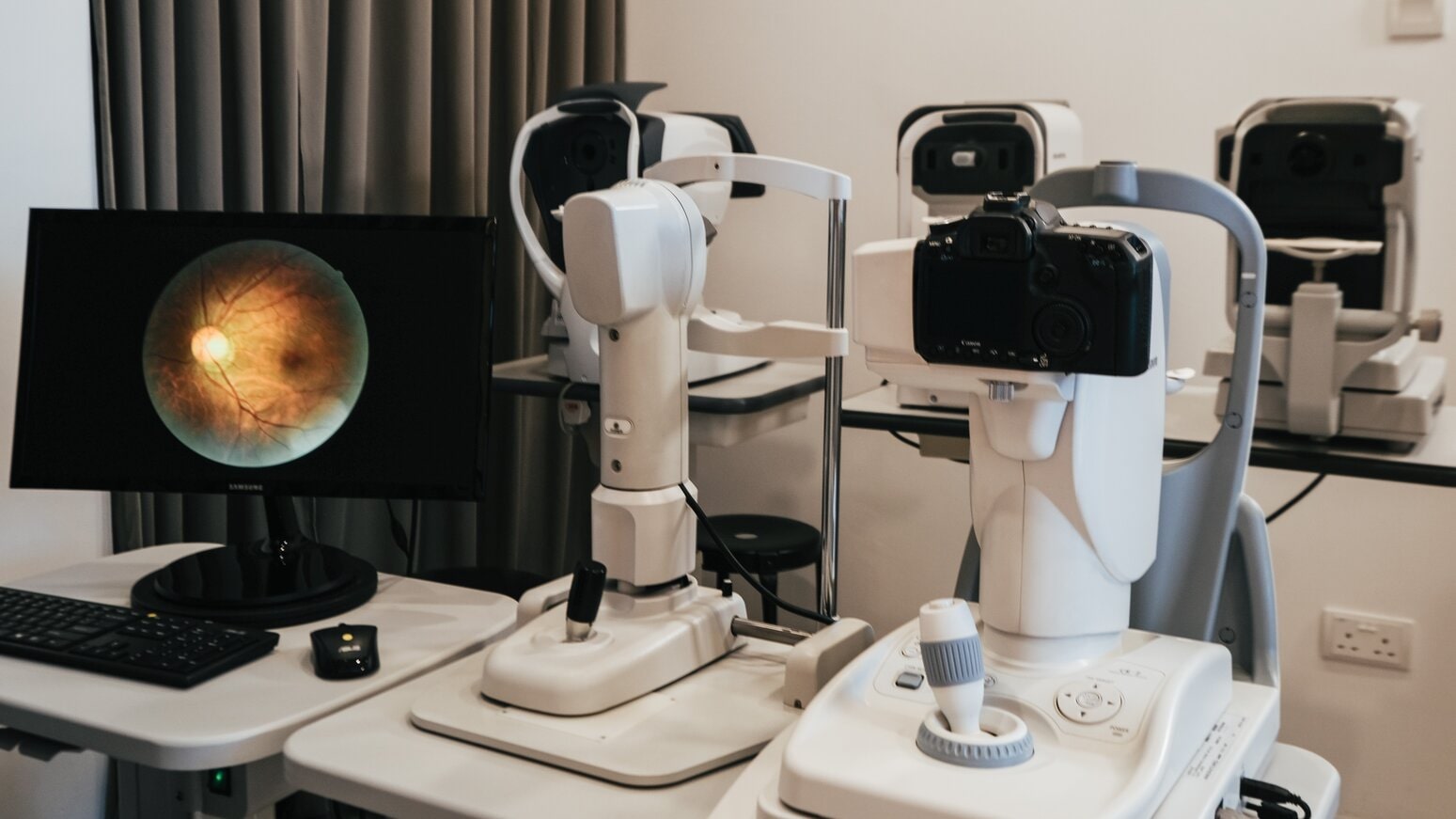
This procedure involves capturing high-resolution images of your retina, which is key for detecting diseases like diabetic retinopathy, macular degeneration, and retinal detachment. These conditions, if left unchecked, can lead to severe vision impairment. Early detection through digital imaging allows for prompt treatment, helping to preserve your vision.
The consultation charges for each eye test may range from S$80 to S$120, except Refraction which may cost S$40.
(All Services & Charges are subject to change without prior notice)

For an appointment or enquiry, please fill up the form below and we will get back to you. For emergencies, please call us at +65 9642 0651. Thanks